

河内是越南繁华的首都,以其古老传统与现代发展的迷人融合而闻名。在这座城市充满活力的街道和高耸的摩天大楼中,有一个独特的景点吸引了来自世界各地的旅行者的心: 河内火车街。这条标志性的铁路走廊,火车距离周围的建筑物和咖啡馆仅几英寸远,已成为那些在越南市中心寻求难忘体验的人的必游目的地。
河内火车街概览
Hanoi Train Street, also known as the “Train Street” or “Train Tracks,” is a residential area in the Old Quarter of Hanoi, where a railway line runs through the heart of the neighborhood. This narrow stretch of railway, flanked by tightly-packed houses, shops, and cafes, has become a popular tourist attraction, drawing visitors from all over the world who come to witness the thrilling passage of trains and immerse themselves in the unique local culture.
History of Hanoi Train Street
Construction and development of the railway
贯穿河内火车街的铁路是殖民时代的遗迹,其历史可以追溯到19世纪末法国统治下的越南。法国殖民政府修建了这条铁路线,作为连接河内与该国其他地区以及邻近地区的更大交通网络的一部分。
随着河内市几十年来的发展和壮大,铁路线周围的住宅和商业区也不断扩大。狭窄的街道和房屋建在靠近铁轨的地方,形成了我们今天看到的标志性且引人注目的河内火车街。
转型为旅游胜地
近年来,河内火车街经历了显着的转变,从主要的住宅和工业区转变为受欢迎的旅游景点。随着这种独特而激动人心的体验的消息传开,来自世界各地的游客开始涌向河内,目睹火车穿过市中心。
当地居民认识到人们对河内火车街的兴趣日益浓厚,纷纷欢迎游客的涌入,开设咖啡馆、商店和其他企业来满足游客的需求。这条街已成为活动中心,摊贩出售传统的越南小吃、纪念品和手工艺品,为前来探索这个独一无二的目的地的人们创造了身临其境的真实体验。
位置和可达性
河内火车街位于哪里?
Hanoi Train Street is situated in the Old Quarter of Hanoi, the historic and vibrant heart of the city. The street runs along the railway line that cuts through the densely populated residential and commercial area, with the tracks passing just a few feet away from the surrounding buildings.
You find and visit the train street at these address:
- Ngõ 224 Lê Duẩn, Khâm Thiên, Đống Đa, Hà Nội (View google map) and
- 5 Trần Phú, Hàng Bông, Hoàn Kiếm, Hà Nội (View google map)
- Along Phung Hung street
How to get to Hanoi Train Street
Reaching Hanoi Train Street is relatively easy, as it is well-connected to the city’s public transportation network. The most common ways to get to the street include:
- Walking: Hanoi Train Street is located within the Old Quarter, which is a compact and walk able area. From the Hoan Kiem Lake or the nearby markets, it is possible to reach the street on foot in 15-20 minutes.
- Taxi or ride-hailing services: Taxis and ride-hailing apps like Grab are widely available in Hanoi, making it convenient to reach Hanoi Train Street from various parts of the city.
- Public transportation: Hanoi has an extensive bus network, and several bus routes, such as the 09 and 10 lines, have stops near Hanoi Train Street.
- Guided tours: Many tour operators in Hanoi offer organized excursions to Hanoi Train Street, which can be a convenient option for visitors unfamiliar with the city.
Regardless of the method of transportation, it is important to note that the narrow streets and high pedestrian traffic around Hanoi Train Street can make accessibility a bit challenging. Visitors should be prepared to navigate through the crowded areas and be mindful of their surroundings.
Attractions and Highlights
Unique experience of watching the train pass by
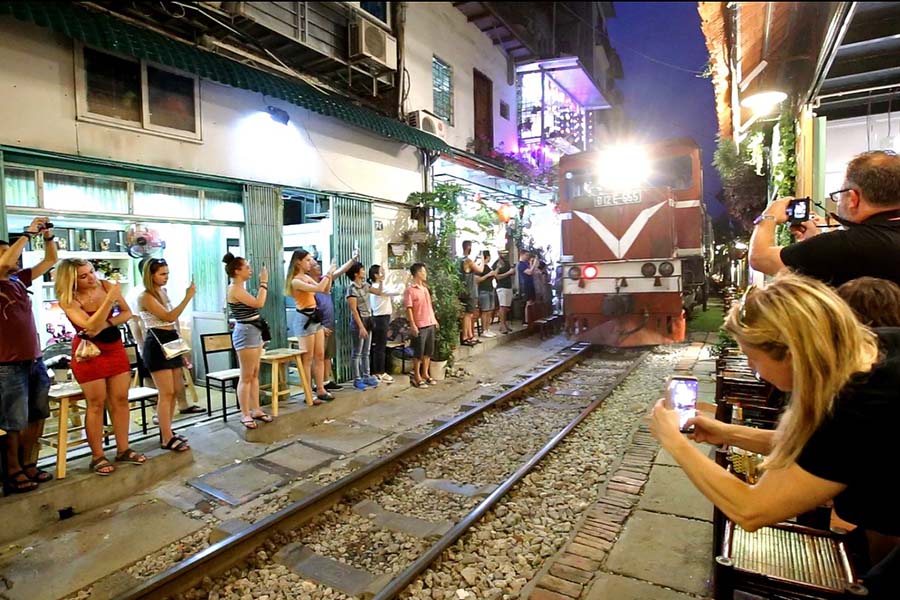
河内火车街的主要吸引力是有机会目睹火车穿过狭窄的走廊,距离周围的建筑物和咖啡馆仅几英寸远。当巨大的机车隆隆穿过街道时,这种体验既令人兴奋又令人惊叹,似乎就在旁观者的伸手可及的范围内。
游客可以沿着铁轨定位,可以在人行道上,也可以在建在铁路线边缘的咖啡馆里。当火车接近时,喇叭声和地面的震动营造出一种明显的兴奋和期待感,让这次体验真正令人难忘。
街头小贩和当地美食
In addition to the train-watching experience, Hanoi Train Street is also renowned for its vibrant street food culture and the array of local vendors selling traditional Vietnamese snacks and delicacies. As you stroll along the narrow alleys, you’ll be greeted by the tantalizing aromas of freshly-prepared dishes, from steaming pho to crispy banh mi sandwiches.
The street vendors set up their stalls and carts along the sidewalks, offering a wide selection of local specialties. Visitors can immerse themselves in the bustling atmosphere, sampling the diverse culinary offerings and interacting with the friendly local residents.
Instagram-worthy spots for photos

Hanoi Train Street has become a popular destination for photographers and social media enthusiasts, thanks to its visually striking and picturesque setting. The tight-knit buildings, vibrant street scenes, and the dramatic passage of the trains create ample opportunities for capturing stunning and unique photographs.
Throughout the street, there are numerous spots that have become Instagram-famous, with visitors posing for photos on the railway tracks, in the narrow alleyways, or in front of the colorful local shops and cafes. The interplay of light, shadow, and the sheer scale of the trains passing by make for truly captivating and Instagram-worthy images.
Best Time to Visit
Peak season for tourists
河内火车街是一个全年都很受欢迎的景点,但一年中的某些时候往往会更加拥挤和熙熙攘攘。河内以及随后的河内火车街的旅游旺季通常与一年中干燥凉爽的月份(十月至四月)同时发生。
这段时间,天气更加宜人,各种节日和文化活动活跃,吸引了大量的国内外游客。因此,河内火车街可能会变得相当拥挤,尤其是在周末和节假日期间。
避开拥挤时段
For those seeking a more peaceful and less crowded experience at Hanoi Train Street, it is recommended to visit during the shoulder seasons, typically from May to September. During these months, the weather can be hot and humid, but the number of visitors tends to be lower, allowing for a more immersive and enjoyable visit.
Weekdays, especially early in the morning or late in the afternoon, are also generally less crowded than weekends. Visitors should be mindful of local Vietnamese holidays and festivals, as these can significantly increase the number of visitors to Hanoi Train Street.
Safety Tips
Understanding the Hanoi train street schedule
One of the most important safety considerations when visiting Hanoi Train Street is understanding the train schedule. The trains run several times a day, with the exact schedule varying based on the time of year and day of the week. You can refer to the following Hanoi train street schedule:
- Monday-Friday: 7:00 PM; 19.45; 21.30; 22:00
- Weekend: 6:00 am; 9:00; 11.20; 15.20; 17.30; 6:00 pm; 19:00; 19.45; 20.30; 21:00; 23:00
对于游客来说,在踏上铁轨或前往周边地区之前熟悉火车时刻表至关重要。火车可能会意外到达,而在不知不觉中被发现可能会非常危险。游客应咨询当地资源或咨询酒店或导游,以获取有关火车时刻表的最新信息。
与铁路保持安全距离
鉴于轨道与周围建筑物和步行区非常接近,与铁路保持安全距离至关重要。游客切勿尝试穿过铁轨或直接站在铁路线上,因为这可能非常危险。
Instead, visitors should observe the trains from the designated viewing areas, which are typically located on the sidewalks and in the cafes that have been built with safety in mind. It is also crucial to follow any signage or instructions provided by local authorities or tour guides to ensure the safety of both visitors and the local residents.
Cultural Etiquette
Respecting the local residents
Hanoi Train Street is a vibrant and thriving residential area, with many local families and businesses calling the neighborhood home. As such, it is important for visitors to be mindful of the local residents and respect their privacy and way of life.
Visitors should avoid trespassing on private property, maintain a respectful distance from the homes and businesses, and be considerate of the local community’s needs and routines. It is also important to be mindful of noise levels and to avoid disrupting the daily life of the residents.
Proper behavior when visiting Hanoi Train Street
When visiting Hanoi Train Street, visitors should adhere to the local cultural norms and etiquette. This includes:
- Dressing modestly and appropriately for the cultural context
- Refraining from loud or disruptive behavior
- Avoiding the use of profanity or inappropriate language
- Respecting any signage or instructions provided by local authorities
- Properly disposing of any litter or waste
- Seeking permission before taking photographs of local residents or their homes
By being respectful and mindful of the local culture, visitors can ensure that their experience at Hanoi Train Street is both enjoyable and meaningful for themselves and the local community.
Souvenirs and Local Products
Shopping opportunities along the street
In addition to the train-watching experience and the vibrant street food scene, Hanoi Train Street also offers a wealth of shopping opportunities for visitors. The narrow alleyways and sidewalks are lined with a variety of local shops and stalls, selling a diverse range of traditional Vietnamese products and souvenirs.
Visitors can find an array of handcrafted items, such as lacquerware, ceramics, textiles, and artisanal home decor. These products often showcase the skilled craftsmanship and unique cultural heritage of Vietnam, making them excellent souvenirs and gifts to bring home.
Authentic Vietnamese items to look out for
When shopping at Hanoi Train Street, some of the authentic Vietnamese items that visitors should look out for include:
- Ao dai: The traditional Vietnamese long dress, a symbol of Vietnamese culture and femininity.
- Silk paintings and embroidery: Exquisite works of art showcasing the country’s rich textile heritage.
- Handmade ceramics and porcelain: From intricate vases to everyday tableware, these items are renowned for their quality and design.
- Lacquerware: Beautifully crafted boxes, trays, and other decorative pieces, featuring the unique Vietnamese lacquer technique.
- Traditional Vietnamese coffee and tea: Specialty blends and roasts that capture the essence of Vietnamese coffee culture.
- Handcrafted baskets and woven products: Functional and decorative items made by skilled artisans.
By exploring the shops and stalls along Hanoi Train Street, visitors can discover a wealth of authentic Vietnamese products and bring home a piece of the country’s rich cultural heritage.
Nearby Attractions
Exploring the surrounding neighborhoods
While Hanoi Train Street is the primary draw for many visitors, the surrounding neighborhoods in the Old Quarter also offer a wealth of attractions and cultural experiences. Visitors can explore the narrow, winding streets, lined with historic architecture, bustling markets, and an abundance of local shops and eateries.
Some of the notable nearby attractions include:
- Hoan Kiem Lake and the Ngoc Son Temple: A picturesque lake and temple complex, considered the spiritual heart of Hanoi.
- Dong Xuan Market: A large indoor market that offers a wide range of local produce, handicrafts, and traditional Vietnamese cuisine.
- St. Joseph’s Cathedral: A striking example of French colonial architecture, dating back to the late 19th century.
- Hanoi Opera House: A beautifully preserved landmark that hosts various cultural performances and events.
By venturing beyond Hanoi Train Street, visitors can immerse themselves in the rich tapestry of Hanoi’s history, culture, and daily life, creating a more well-rounded and enriching experience.
Other points of interest near Hanoi Train Street
In addition to the surrounding neighborhoods, there are several other points of interest located in close proximity to Hanoi Train Street, which can be easily incorporated into a visit:
- Ho Chi Minh Mausoleum and the Presidential Palace: These historic sites offer insights into Vietnam’s revolutionary past and the country’s political leadership.
- Vietnam Museum of Ethnology: An excellent museum that showcases the diverse cultures and traditions of Vietnam’s many ethnic groups.
- Temple of Literature: A revered Confucian temple that serves as a symbol of Vietnam’s rich intellectual heritage.
- Hoa Lo Prison: A sobering historical site that provides a glimpse into Vietnam’s turbulent past during the colonial era and the Vietnam War.
By exploring these nearby attractions, visitors can gain a deeper understanding of Hanoi’s multifaceted history, culture, and contemporary significance, further enhancing their overall experience in the city.
Guided Tours and Activities
Tour options for visitors
对于那些喜欢更有条理和有导游指导的体验的人来说,河内火车街及周边地区有多种旅游选择。这些旅游可以通过当地旅行社、酒店或在线平台预订,通常包括一系列活动和体验,例如:
These guided tours can be especially beneficial for first-time visitors, as they provide valuable insights into the history, culture, and local customs, as well as assistance in navigating the sometimes-crowded and confusing streets of Hanoi.
Participating in local activities
In addition to guided tours, visitors to Hanoi Train Street can also immerse themselves in the local culture by participating in various activities and experiences offered by the community. These may include:
- Hanoi cooking classes: Learn how to prepare authentic Vietnamese dishes from local chefs and home cooks.
- Handicraft workshops: Participate in workshops where you can learn traditional Vietnamese crafts, such as lacquerware or silk painting.
- Community-based tourism experiences: Engage with local residents and learn about their daily lives and traditions.
- Hanoi Street food tours and tastings: Explore the vibrant street food scene with the guidance of local experts.
By engaging in these local activities, visitors can develop a deeper understanding and appreciation for the rich cultural heritage of Hanoi and its people, making their experience at Hanoi Train Street all the more meaningful and memorable.
Dining Recommendations
Popular restaurants and cafes nearby
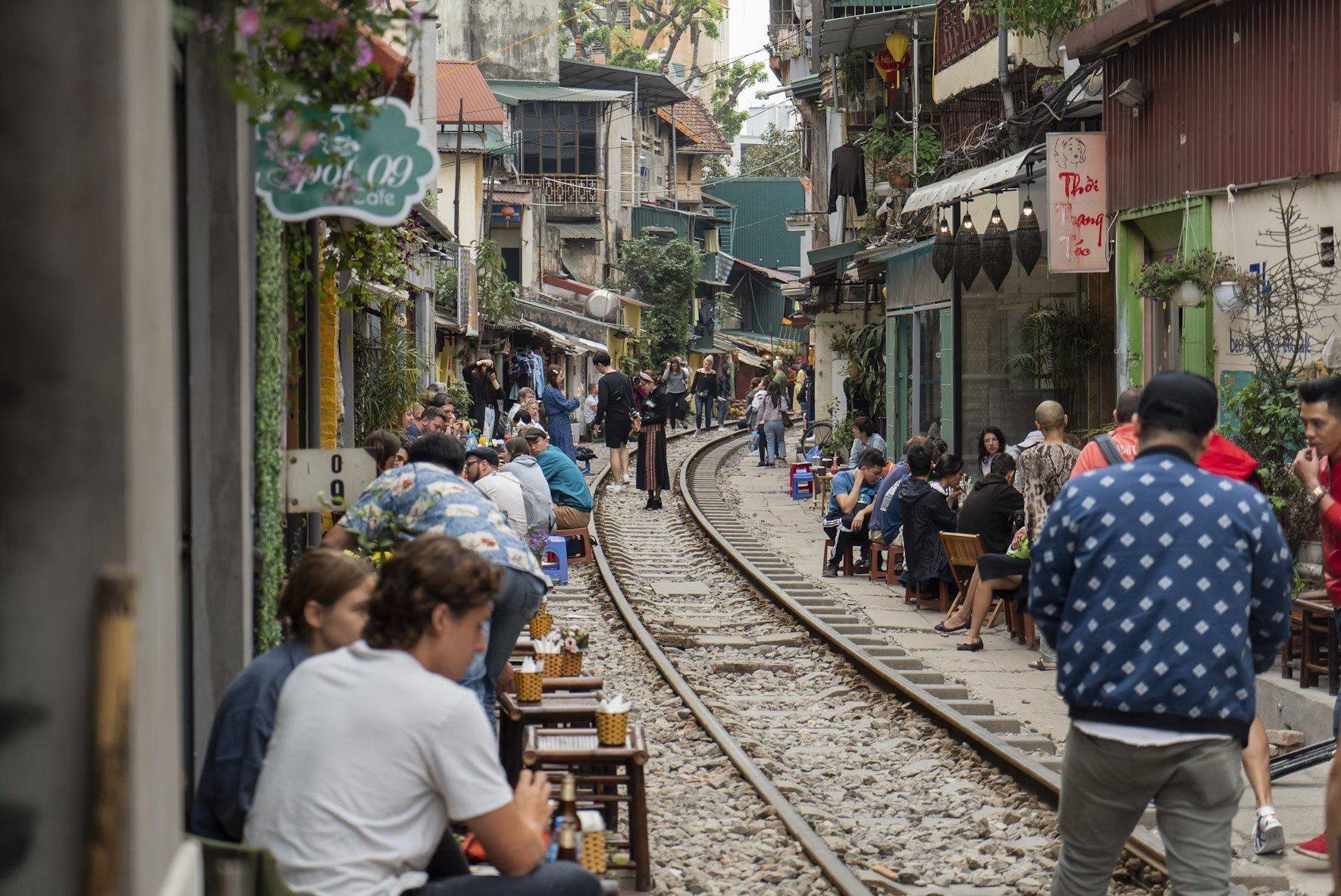
Hanoi Train Street is not only a hub for unique train-watching experiences but also a destination for delicious Vietnamese cuisine and local fare. Scattered throughout the narrow alleyways and along the railway tracks are a variety of popular restaurants, cafes, and street food vendors, catering to the diverse tastes of visitors.
Some of the must-try dining establishments in the Hanoi Train Street area include:
- Bia Hoi Corner: A lively outdoor venue serving up fresh, locally-brewed draft beer and a selection of Vietnamese street food.
- Banh Mi 25: A renowned banh mi (Vietnamese sandwich) shop, known for its delicious fillings and crispy baguettes.
- Cafe Pho Co: A charming cafe located in a historic building, offering stunning views of the train tracks and a cozy ambiance.
- Cha Ca La Vong: A renowned restaurant specializing in the traditional Vietnamese dish of turmeric-marinated fish.
- Lao Tu Cafe: A popular cafe that offers a perfect vantage point for watching the trains pass by, along with a selection of coffee and light bites.
These are just a few of the many dining options available in the vicinity of Hanoi Train Street, ensuring that visitors can indulge in the local culinary delights while taking in the unique atmosphere of the area.
Must-try dishes in the area
In addition to the diverse range of dining establishments, the Hanoi Train Street area is also renowned for its selection of traditional Vietnamese dishes that visitors simply must try. Some of the must-try local specialties include:
- pho: The iconic Vietnamese noodle soup, typically made with beef or chicken broth, rice noodles, and a variety of toppings.
- 好的: Grilled pork patties and sliced pork belly served with rice vermicelli, fresh herbs, and a flavorful dipping sauce.
- 球: The beloved Vietnamese sandwich, featuring a crispy baguette filled with a variety of meats, pâté, vegetables, and condiments.
- Banh Xeo: Crispy Vietnamese crepes made with rice flour and turmeric, filled with shrimp, pork, bean sprouts, and herbs, and typically eaten wrapped in lettuce leaves.
- Cha Ca: Turmeric-marinated fish sautéed at the table with dill and served with rice noodles, peanuts, and fresh herbs.
- Nem Ran: Deep-fried spring rolls filled with ground pork, mushrooms, and glass noodles, served with a side of dipping sauce.
These iconic dishes showcase the diverse flavors and culinary traditions of Vietnam, providing visitors with a delightful gastronomic experience that complements their exploration of Hanoi Train Street.
Photography Tips
Capturing the best moments at Hanoi Train Street
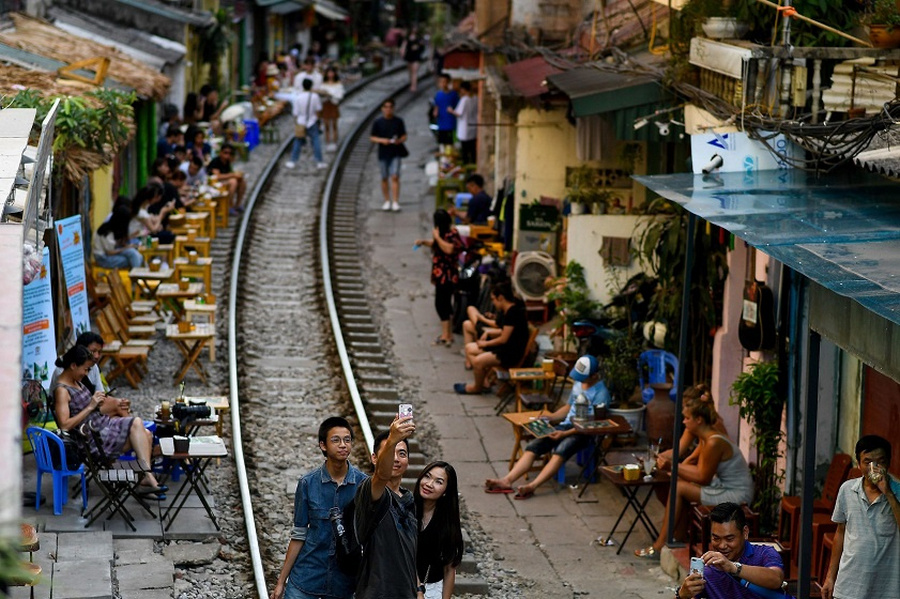
One of the highlights of visiting Hanoi Train Street is the opportunity to capture stunning photographs of the passing trains against the backdrop of the vibrant street. To make the most of your photography experience, consider the following tips:
- Arrive early or late: To avoid crowds and harsh lighting conditions, try to visit Hanoi Train Street during the early morning or late afternoon when the sunlight is softer and more flattering for photos.
- Experiment with angles: Explore different vantage points along the street to find unique perspectives for your photos, such as shooting from above on a balcony or getting down low for a ground-level view.
- Capture motion: Emphasize the movement of the trains by using a slower shutter speed to create a sense of dynamic energy in your photos, or experiment with panning techniques to blur the background while keeping the train in focus.
- Include people: Incorporating local residents, tourists, or street vendors in your photos can add a human element and storytelling aspect to your images, capturing the lively atmosphere of Hanoi Train Street.
By following these photography tips and techniques, you can create memorable and visually striking images that encapsulate the essence of Hanoi Train Street and its unique charm.
Lighting and angles for great photos
Lighting plays a crucial role in photography, influencing the mood, composition, and overall quality of your images. When photographing Hanoi Train Street, keep the following lighting and angle considerations in mind:
- Soft light: Soft, diffused light is generally more flattering for outdoor photography, reducing harsh shadows and creating a warm, inviting atmosphere. Early morning and late afternoon are ideal times for capturing soft light at Hanoi Train Street.
- Backlighting: Experiment with backlighting effects by positioning yourself so that the light source (e.g., the sun) is behind your subject, creating a glowing halo effect around the trains and buildings.
- Golden hour: The golden hour, which occurs shortly after sunrise and before sunset, bathes the scene in a soft, golden light that enhances the colors and textures of Hanoi Train Street, making it an optimal time for photography.
- Bird’s eye view: For a unique perspective, consider capturing aerial shots of Hanoi Train Street from a nearby rooftop or balcony, showcasing the bustling activity and intricate layout of the area from above.
By paying attention to lighting conditions and experimenting with different angles, you can elevate your photography skills and create visually captivating images that convey the beauty and character of Hanoi Train Street.
Weather Considerations
Ideal weather conditions for visiting
什么时候 planning a visit to Hanoi Train Street, it is essential to consider the weather conditions to ensure a comfortable and enjoyable experience. The ideal weather for exploring the street and watching the trains pass by is typically characterized by:
- Mild temperatures: Avoiding extreme heat or cold will make your visit more pleasant and allow you to spend longer periods outdoors without discomfort.
- Low humidity: High humidity levels can make the air feel heavy and oppressive, affecting your overall comfort and enjoyment of the surroundings.
- Clear skies: Sunny weather with clear skies provides optimal lighting conditions for photography and allows you to fully appreciate the vibrant colors and sights of Hanoi Train Street.
To make the most of your visit, check the weather forecast beforehand and plan your trip on days when the conditions are conducive to outdoor activities and sightseeing.
Preparing for rain or extreme heat
In Vietnam, the weather can be unpredictable, with sudden rain showers or intense heat waves occurring throughout the year. To prepare for inclement weather or extreme temperatures during your visit to Hanoi Train Street, consider the following tips:
- Carry an umbrella or raincoat: Be prepared for sudden rain showers by bringing along a compact umbrella or lightweight raincoat to stay dry while watching the trains pass by.
- Wear sunscreen and a hat: Protect yourself from the sun’s UV rays and heat by wearing sunscreen with a high SPF and a wide-brimmed hat to shield your face and neck.
- Stay hydrated: Bring a reusable water bottle and stay hydrated throughout your visit, especially during hot and humid weather to prevent dehydration.
- Dress appropriately: Wear light, breathable clothing and comfortable shoes to stay cool and comfortable while exploring Hanoi Train Street, taking into account the weather conditions and potential for walking long distances.
By packing accordingly and being mindful of the weather forecast, you can ensure a safe and enjoyable experience at Hanoi Train Street, regardless of the prevailing weather conditions.
Local Laws and Regulations
Rules for visitors to follow
When visiting Hanoi Train Street, it is important to adhere to local laws and regulations to ensure the safety of yourself and others, as well as to show respect for the community and environment. Some key rules and guidelines to keep in mind include:
- Do not litter: Dispose of trash responsibly and use designated bins to maintain the cleanliness of the street and railway tracks.
- Respect private property: Avoid trespassing on residential or restricted areas along Hanoi Train Street, as this can intrude on the privacy of local residents.
- Obey traffic signals: Exercise caution when crossing the railway tracks and follow traffic signals to prevent accidents or disruptions to train schedules.
- Keep noise levels down: Be mindful of noise pollution and avoid excessive loud talking or disruptive behavior that may disturb residents or other visitors.
By following these rules and being considerate of your surroundings, you can contribute to a harmonious and respectful atmosphere at Hanoi Train Street, fostering a positive experience for everyone involved.
Penalties for violating restrictions
In Vietnam, there are penalties and consequences for individuals who violate local laws and regulations, including those related to trespassing, littering, and public disturbance. Visitors who engage in prohibited activities or disregard established rules at Hanoi Train Street may face the following penalties:
- Fines: Violators may be fined by local authorities for littering, trespassing, or engaging in disruptive behavior that violates public order or safety.
- Legal action: In severe cases of misconduct or repeated offenses, individuals may be subject to legal action, including prosecution and potential criminal charges.
- Expulsion: Visitors who repeatedly ignore warnings or refuse to comply with regulations may be expelled from Hanoi Train Street and barred from returning to the area.
To avoid penalties and ensure a positive and lawful visit to Hanoi Train Street, it is important to respect the rules and regulations in place, demonstrating responsible behavior and consideration for the community and environment.
Mistakes to avoid
Trespassing on restricted areas
One common mistake that visitors to 河内火车街 should avoid is trespassing on restricted areas along the railway tracks or in private homes. It is vital to respect the boundaries and privacy of local residents, refraining from entering prohibited zones or engaging in intrusive behavior that disrupts the daily lives of the community.
To prevent accidents, conflicts, or legal consequences, always stay within designated public areas and exercise caution when exploring Hanoi Train Street, ensuring that you do not encroach on private property or restricted spaces.
Disrupting the train schedule with irresponsible behavior
Another mistake to avoid when visiting Hanoi Train Street is engaging in irresponsible behavior that may disrupt the regular train schedule or pose a safety risk to yourself and others. Actions such as standing too close to the tracks, obstructing the path of oncoming trains, or creating obstructions on the railway can have serious consequences and should be avoided at all costs.
To enjoy a safe and hassle-free experience at Hanoi Train Street, prioritize your safety and that of fellow visitors by following the established guidelines, maintaining a safe distance from the tracks, and refraining from actions that could compromise the smooth operation of the railway.
经常问的问题
Is it safe to visit Hanoi Train Street?
Yes, Hanoi Train Street is generally safe for visitors who exercise caution, follow the rules, and respect the local environment. However, it is essential to be mindful of your surroundings, stay alert to oncoming trains, and adhere to safety guidelines to minimize any potential risks or accidents.
What is the best time of day to see the train passing by?
The best times to witness the trains passing through Hanoi Train Street are typically in the early morning or late afternoon, when the lighting is favorable for photography, and there are fewer crowds to contend with. By planning your visit during these times, you can enjoy a more peaceful and immersive experience of watching the trains go by.
Hanoi Train Street offers a unique and captivating blend of history, culture, and everyday life, making it a must-visit destination for travelers seeking authentic experiences in Vietnam. From the thrill of watching trains pass mere inches away to savoring delectable local cuisine and exploring nearby attractions, Hanoi Train Street has something to offer every visitor.
By understanding the history and significance of this iconic location, respecting local customs and regulations, and embracing the vibrant energy of the community, travelers can create lasting memories and forge meaningful connections during their time at Hanoi Train Street. Whether you’re a photography enthusiast, a food lover, or a cultural explorer, this hidden gem in the heart of Hanoi promises a truly unforgettable journey.