

Hanoi, the bustling capital of Vietnam, is renowned for its captivating blend of ancient traditions and modern development. Amidst the city’s vibrant streets and towering skyscrapers, there is a unique attraction that has captured the hearts of travelers from around the world: Hanoi Train Street. This iconic railway corridor, where trains pass just inches away from the surrounding buildings and cafes, has become a must-visit destination for those seeking an unforgettable experience in the heart of Vietnam.
Overview of Hanoi Train Street
Hanoi Train Street, also known as the “Train Street” or “Train Tracks,” is a residential area in the Old Quarter of Hanoi, where a railway line runs through the heart of the neighborhood. This narrow stretch of railway, flanked by tightly-packed houses, shops, and cafes, has become a popular tourist attraction, drawing visitors from all over the world who come to witness the thrilling passage of trains and immerse themselves in the unique local culture.
History of Hanoi Train Street
Construction and development of the railway
The railway that runs through Hanoi Train Street is a remnant of the colonial era, dating back to the late 19th century when Vietnam was under French rule. The French colonial administration constructed the railway line as part of a larger transportation network that connected Hanoi with other parts of the country, as well as with neighboring regions.
As the city of Hanoi grew and developed over the decades, the residential and commercial areas surrounding the railway line also expanded. The narrow streets and houses were built in close proximity to the tracks, creating the iconic and visually striking Hanoi Train Street that we see today.
Transformation into a tourist attraction
In recent years, Hanoi Train Street has undergone a remarkable transformation, transitioning from a primarily residential and industrial area into a popular tourist attraction. As word of this unique and thrilling experience spread, visitors from all over the world began flocking to Hanoi to witness the trains passing through the heart of the city.
The local residents, recognizing the growing interest in Hanoi Train Street, have embraced the influx of tourists, opening up cafes, shops, and other businesses catering to the needs of the visitors. The street has become a hub of activity, with vendors selling traditional Vietnamese snacks, souvenirs, and handcrafted goods, creating an immersive and authentic experience for those who come to explore this one-of-a-kind destination.
Location and Accessibility
Where is Hanoi Train Street located?
Hanoi Train Street is situated in the Old Quarter of Hanoi, the historic and vibrant heart of the city. The street runs along the railway line that cuts through the densely populated residential and commercial area, with the tracks passing just a few feet away from the surrounding buildings.
You find and visit the train street at these address:
- Ngõ 224 Lê Duẩn, Khâm Thiên, Đống Đa, Hà Nội (View google map) and
- 5 Trần Phú, Hàng Bông, Hoàn Kiếm, Hà Nội (View google map)
- Along Phung Hung street
How to get to Hanoi Train Street
Llegar a Hanoi Train Street es relativamente fácil, ya que está bien conectado con la red de transporte público de la ciudad. Las formas más habituales de llegar a la calle incluyen:
- Caminando: Hanoi Train Street se encuentra dentro del casco antiguo, que es un área compacta y transitable. Desde el lago Hoan Kiem o los mercados cercanos, se puede llegar a pie a la calle en 15-20 minutos.
- Servicios de taxi o transporte compartido: Los taxis y aplicaciones de transporte compartido como Grab están ampliamente disponibles en Hanoi, lo que hace que sea conveniente llegar a Hanoi Train Street desde varias partes de la ciudad.
- Transporte público: Hanoi tiene una extensa red de autobuses y varias rutas de autobús, como las líneas 09 y 10, tienen paradas cerca de Hanoi Train Street.
- Visitas guiadas: Many tour operators in Hanoi offer organized excursions to Hanoi Train Street, which can be a convenient option for visitors unfamiliar with the city.
Regardless of the method of transportation, it is important to note that the narrow streets and high pedestrian traffic around Hanoi Train Street can make accessibility a bit challenging. Visitors should be prepared to navigate through the crowded areas and be mindful of their surroundings.
Attractions and Highlights
Unique experience of watching the train pass by
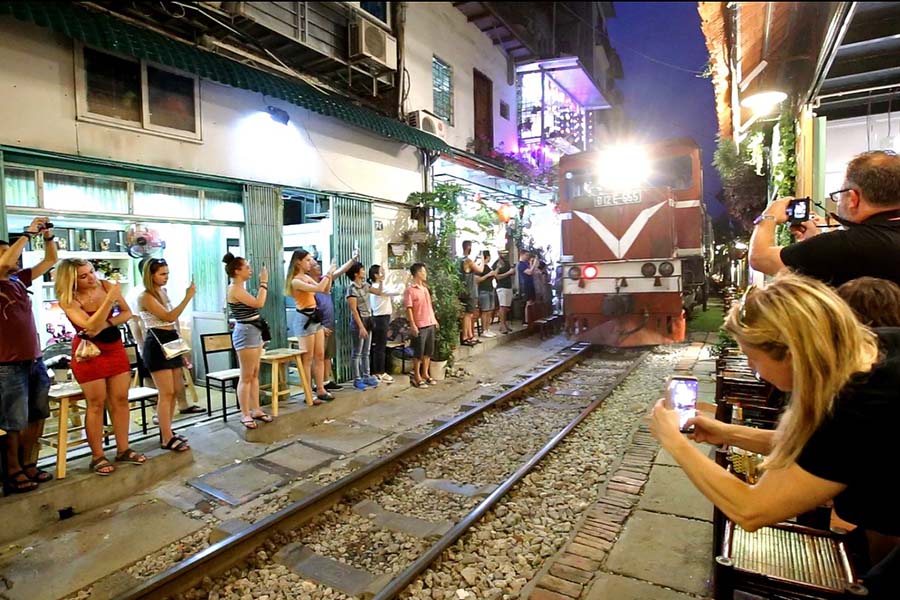
The primary draw of Hanoi Train Street is the opportunity to witness the trains passing through the narrow corridor, mere inches away from the surrounding buildings and cafes. The experience is both thrilling and awe-inspiring, as the massive locomotives rumble through the street, seemingly within arm’s reach of the onlookers.
Visitors can position themselves along the tracks, either on the sidewalks or in the cafes that have been built right up to the edge of the railway line. As the train approaches, the sound of the horn and the vibration of the ground create a palpable sense of excitement and anticipation, making the experience truly unforgettable.
Street vendors and local cuisine
Además de la experiencia de observar trenes, Hanoi Train Street también es famosa por su vibrante cultura de comida callejera y la variedad de vendedores locales que venden bocadillos y delicias tradicionales vietnamitas. Mientras paseas por los callejones estrechos, serás recibido por los tentadores aromas de los platos recién preparados, desde pho humeante hasta crujientes sándwiches banh mi.
Los vendedores ambulantes instalan sus puestos y carritos a lo largo de las aceras, ofreciendo una amplia selección de especialidades locales. Los visitantes pueden sumergirse en la animada atmósfera, probar las diversas ofertas culinarias e interactuar con los amigables residentes locales.
Lugares dignos de Instagram para tomar fotos

Hanoi Train Street se ha convertido en un destino popular para fotógrafos y entusiastas de las redes sociales, gracias a su entorno visualmente impactante y pintoresco. Los edificios muy unidos, las vibrantes escenas callejeras y el espectacular paso de los trenes crean amplias oportunidades para capturar fotografías impresionantes y únicas.
A lo largo de la calle, hay numerosos lugares que se han hecho famosos en Instagram, donde los visitantes posan para fotos en las vías del tren, en los callejones estrechos o frente a las coloridas tiendas y cafés locales. La interacción de luces, sombras y la enorme escala de los trenes que pasan crean imágenes verdaderamente cautivadoras y dignas de Instagram.
Mejor época para visitar
Temporada alta para turistas
Hanoi Train Street is a popular attraction year-round, but certain times of the year tend to be more crowded and bustling with visitors. The peak tourist season in Hanoi, and subsequently at Hanoi Train Street, typically coincides with the dry and cooler months of the year, from October to April.
During this time, the weather is more pleasant, and the city is alive with various festivals and cultural events, drawing in large numbers of both domestic and international tourists. As a result, Hanoi Train Street can become quite crowded, particularly during the weekends and holidays.
Avoiding crowded times
Para aquellos que buscan una experiencia más tranquila y menos concurrida en Hanoi Train Street, se recomienda visitarla durante la temporada media, normalmente de mayo a septiembre. Durante estos meses, el clima puede ser cálido y húmedo, pero el número de visitantes tiende a ser menor, lo que permite una visita más inmersiva y agradable.
Los días laborables, especialmente temprano en la mañana o al final de la tarde, también suelen estar menos concurridos que los fines de semana. Los visitantes deben tener en cuenta las festividades y festivales locales vietnamitas, ya que pueden aumentar significativamente el número de visitantes a Hanoi Train Street.
Consejos de seguridad
Comprender el horario de las calles de trenes de Hanoi
Una de las consideraciones de seguridad más importantes al visitar Hanoi Train Street es comprender el horario de los trenes. Los trenes circulan varias veces al día, y el horario exacto varía según la época del año y el día de la semana. Puedes consultar lo siguiente Horario de las calles de trenes de Hanoi:
- Lunes a viernes: 19:00 horas; 19,45; 21.30; 22:00
- Fin de semana: 6:00 am; 9:00; 11.20; 15,20; 17.30; 18:00 horas; 19:00; 19,45; 20.30; 21:00; 23:00
It is crucial for visitors to familiarize themselves with the train schedule before venturing onto the tracks or into the surrounding areas. The trains can arrive unexpectedly, and being caught unaware can be extremely dangerous. Visitors should consult local resources or inquire with their hotel or tour guides to obtain the most up-to-date information on the train schedule.
Keeping a safe distance from the railway
Given the close proximity of the tracks to the surrounding buildings and pedestrian areas, maintaining a safe distance from the railway is of utmost importance. Visitors should never attempt to cross the tracks or stand directly on the railway line, as this can be extremely hazardous.
En cambio, los visitantes deben observar los trenes desde las áreas de observación designadas, que generalmente están ubicadas en las aceras y en los cafés que se han construido teniendo en cuenta la seguridad. También es fundamental seguir las señales o instrucciones proporcionadas por las autoridades locales o los guías turísticos para garantizar la seguridad tanto de los visitantes como de los residentes locales.
Etiqueta cultural
Respetando a los residentes locales.
Hanoi Train Street es una zona residencial vibrante y próspera, donde muchas familias y empresas locales consideran que el vecindario es su hogar. Como tal, es importante que los visitantes sean conscientes de los residentes locales y respeten su privacidad y forma de vida.
Los visitantes deben evitar invadir propiedad privada, mantener una distancia respetuosa de los hogares y negocios y ser considerados con las necesidades y rutinas de la comunidad local. También es importante tener en cuenta los niveles de ruido y evitar perturbar la vida diaria de los residentes.
Comportamiento adecuado al visitar la calle de trenes de Hanoi
Al visitar la calle de trenes de Hanoi, los visitantes deben cumplir con las normas y la etiqueta culturales locales. Esto incluye:
- Vestirse modestamente y apropiadamente para el contexto cultural.
- Abstenerse de comportamiento ruidoso o disruptivo
- Evitar el uso de malas palabras o lenguaje inapropiado.
- Respetar cualquier señalización o instrucciones proporcionadas por las autoridades locales.
- Eliminar adecuadamente cualquier basura o desperdicio.
- Solicitar permiso antes de tomar fotografías de los residentes locales o de sus hogares.
Al ser respetuosos y conscientes de la cultura local, los visitantes pueden asegurarse de que su experiencia en Hanoi Train Street sea agradable y significativa para ellos y la comunidad local.
Recuerdos y productos locales
Oportunidades de compras a lo largo de la calle.
Además de la experiencia de observar trenes y la vibrante escena de comida callejera, Hanoi Train Street también ofrece una gran cantidad de oportunidades de compras para los visitantes. Los estrechos callejones y aceras están llenos de una variedad de tiendas y puestos locales que venden una amplia gama de productos y recuerdos tradicionales vietnamitas.
Los visitantes pueden encontrar una variedad de artículos hechos a mano, como lacados, cerámica, textiles y decoración artesanal para el hogar. Estos productos suelen exhibir la artesanía especializada y el patrimonio cultural único de Vietnam, lo que los convierte en excelentes recuerdos y regalos para llevar a casa.
Artículos vietnamitas auténticos a tener en cuenta
Al comprar en Hanoi Train Street, algunos de los auténticos artículos vietnamitas que los visitantes deben tener en cuenta incluyen:
- Ao dai: El vestido largo tradicional vietnamita, símbolo de la cultura y la feminidad vietnamitas.
- Pinturas y bordados en seda: exquisitas obras de arte que muestran el rico patrimonio textil del país.
- Cerámica y porcelana hechas a mano: desde jarrones complejos hasta vajillas de uso diario, estos artículos son reconocidos por su calidad y diseño.
- Lacquerware: Beautifully crafted boxes, trays, and other decorative pieces, featuring the unique Vietnamese lacquer technique.
- Traditional Vietnamese coffee and tea: Specialty blends and roasts that capture the essence of Vietnamese coffee culture.
- Handcrafted baskets and woven products: Functional and decorative items made by skilled artisans.
By exploring the shops and stalls along Hanoi Train Street, visitors can discover a wealth of authentic Vietnamese products and bring home a piece of the country’s rich cultural heritage.
Nearby Attractions
Exploring the surrounding neighborhoods
Si bien Hanoi Train Street es el principal atractivo para muchos visitantes, los barrios circundantes en el casco antiguo también ofrecen una gran cantidad de atracciones y experiencias culturales. Los visitantes pueden explorar las calles estrechas y sinuosas, repletas de arquitectura histórica, mercados bulliciosos y una gran cantidad de tiendas y restaurantes locales.
Algunas de las atracciones cercanas notables incluyen:
- Lago Hoan Kiem y templo Ngoc Son: un pintoresco complejo de lago y templo, considerado el corazón espiritual de Hanoi.
- Mercado Dong Xuan: un gran mercado interior que ofrece una amplia gama de productos locales, artesanías y cocina tradicional vietnamita.
- Catedral de San José: un sorprendente ejemplo de arquitectura colonial francesa que data de finales del siglo XIX.
- Hanoi Opera House: A beautifully preserved landmark that hosts various cultural performances and events.
Al aventurarse más allá de Hanoi Train Street, los visitantes pueden sumergirse en el rico tapiz de la historia, la cultura y la vida cotidiana de Hanoi, creando una experiencia más completa y enriquecedora.
Otros puntos de interés cerca de Calle del Tren de Hanoi
Además de los barrios circundantes, hay otros puntos de interés ubicados muy cerca de la calle del tren de Hanoi, que pueden incorporarse fácilmente a una visita:
- Mausoleo de Ho Chi Minh y Palacio Presidencial: estos sitios históricos ofrecen información sobre el pasado revolucionario de Vietnam y el liderazgo político del país.
- Museo de Etnología de Vietnam: un excelente museo que muestra las diversas culturas y tradiciones de los numerosos grupos étnicos de Vietnam.
- Templo de la Literatura: Un venerado templo confuciano que sirve como símbolo de la rica herencia intelectual de Vietnam.
- Prisión de Hoa Lo: un sitio histórico aleccionador que ofrece una visión del turbulento pasado de Vietnam durante la era colonial y la guerra de Vietnam.
Al explorar estas atracciones cercanas, los visitantes pueden obtener una comprensión más profunda de la historia multifacética, la cultura y el significado contemporáneo de Hanoi, mejorando aún más su experiencia general en la ciudad.
Visitas guiadas y actividades
Opciones de recorrido para visitantes.
Para aquellos que prefieren una experiencia más estructurada y guiada, existen numerosas opciones de recorridos disponibles por Hanoi Train Street y sus alrededores. Estos tours se pueden reservar a través de operadores turísticos locales, hoteles o plataformas en línea y, a menudo, incluyen una variedad de actividades y experiencias, como:
- Recorridos a pie por la calle del tren de Hanoi y el casco antiguo
- Minsk Tours en motocicleta que incorporan la calle del tren y otras atracciones cercanas
- Tours culinarios que se centran en la vibrante escena de comida callejera y la cocina local.
- Recorridos fotográficos que ayudan a los visitantes a capturar las mejores fotografías en Hanoi Train Street y otros lugares fotogénicos
Estas visitas guiadas pueden ser especialmente beneficiosas para quienes visitan por primera vez, ya que brindan información valiosa sobre la historia, la cultura y las costumbres locales, así como asistencia para navegar por las calles a veces concurridas y confusas de Hanoi.
Participando en actividades locales.
Además de las visitas guiadas, los visitantes de Hanoi Train Street también pueden sumergirse en la cultura local participando en diversas actividades y experiencias que ofrece la comunidad. Estos pueden incluir:
- Clases de cocina de Hanoi: aprenda a preparar auténticos platos vietnamitas de la mano de chefs locales y cocineros caseros.
- Talleres de artesanía: participe en talleres donde podrá aprender artesanías tradicionales vietnamitas, como lacas o pintura sobre seda.
- Community-based tourism experiences: Engage with local residents and learn about their daily lives and traditions.
- Hanoi Street food tours and tastings: Explore the vibrant street food scene with the guidance of local experts.
By engaging in these local activities, visitors can develop a deeper understanding and appreciation for the rich cultural heritage of Hanoi and its people, making their experience at Hanoi Train Street all the more meaningful and memorable.
Dining Recommendations
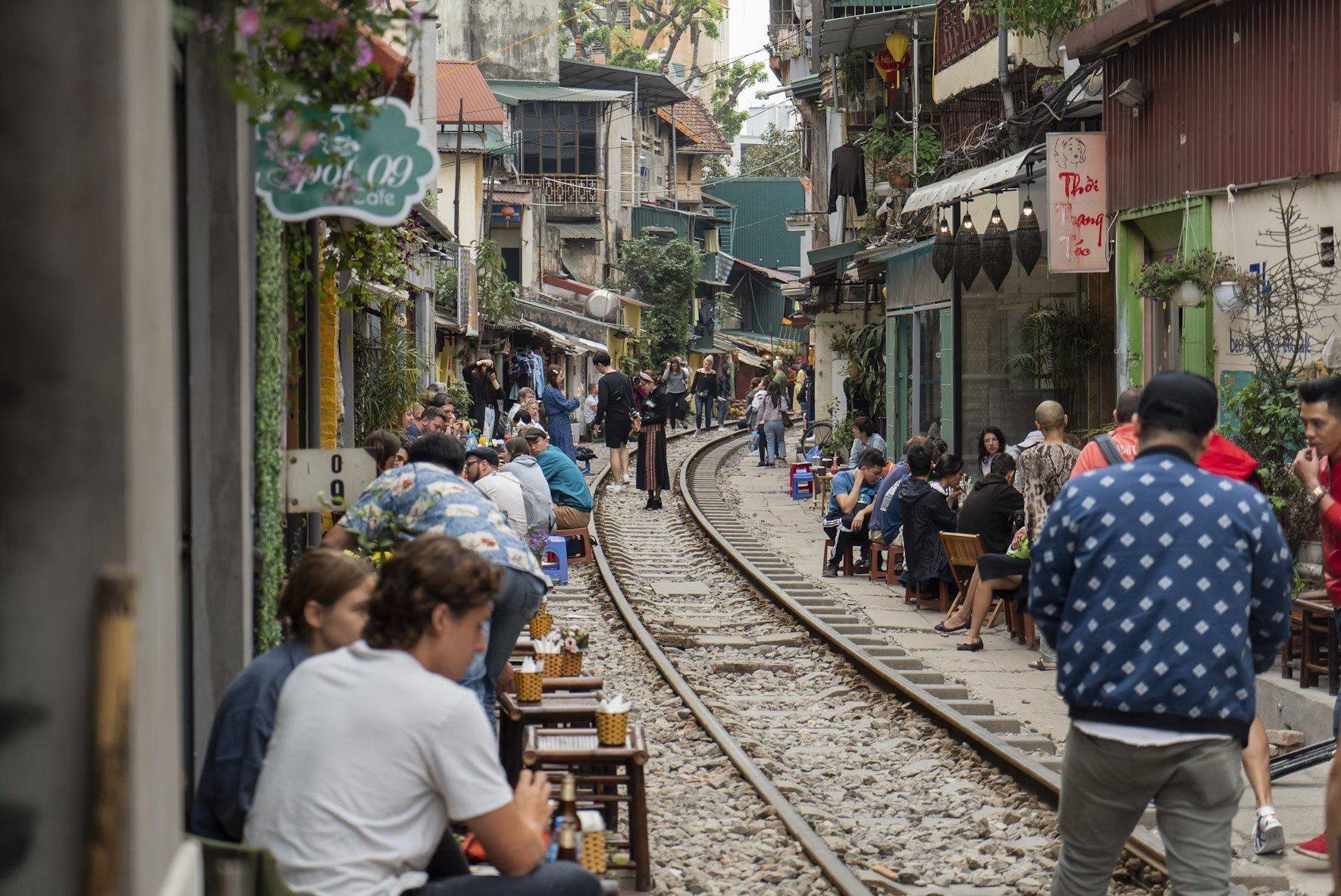
Popular restaurants and cafes nearby
Hanoi Train Street no es solo un centro para experiencias únicas de observación de trenes, sino también un destino para disfrutar de la deliciosa cocina vietnamita y la comida local. Esparcidos por los estrechos callejones y a lo largo de las vías del tren hay una variedad de restaurantes, cafés y vendedores ambulantes de comida populares, que satisfacen los diversos gustos de los visitantes.
Algunos de los establecimientos de comida que debes probar en el área de Hanoi Train Street incluyen:
- Bia Hoi Corner: un animado lugar al aire libre que sirve cerveza de barril fresca elaborada localmente y una selección de comida callejera vietnamita.
- Banh Mi 25: una reconocida tienda de banh mi (sándwich vietnamita), conocida por sus deliciosos rellenos y crujientes baguettes.
- Cafe Pho Co: A charming cafe located in a historic building, offering stunning views of the train tracks and a cozy ambiance.
- Cha Ca La Vong: un reconocido restaurante especializado en el plato tradicional vietnamita de pescado marinado con cúrcuma.
- Lao Tu Café: una cafetería popular que ofrece un punto de vista perfecto para ver pasar los trenes, junto con una selección de cafés y bocadillos ligeros.
Estas son sólo algunas de las muchas opciones gastronómicas disponibles en las cercanías de Hanoi Train Street, lo que garantiza que los visitantes puedan disfrutar de las delicias culinarias locales mientras disfrutan de la atmósfera única de la zona.
Platos imprescindibles de la zona.
Además de la diversa gama de establecimientos gastronómicos, el área de Hanoi Train Street también es famosa por su selección de platos tradicionales vietnamitas que los visitantes simplemente deben probar. Algunas de las especialidades locales que debes probar incluyen:
- pho: La icónica sopa de fideos vietnamita, típicamente hecha con caldo de carne o pollo, fideos de arroz y una variedad de aderezos.
- Buen cha: Empanadas de cerdo a la parrilla y panceta de cerdo en rodajas, servidas con fideos de arroz, hierbas frescas y una sabrosa salsa.
- Banh Mi: El querido sándwich vietnamita, que presenta una baguette crujiente rellena con una variedad de carnes, paté, verduras y condimentos.
- Banh Xeo: Crepes vietnamitas crujientes hechas con harina de arroz y cúrcuma, rellenas de camarones, cerdo, brotes de soja y hierbas, y que normalmente se comen envueltas en hojas de lechuga.
- padre ca: Pescado marinado en cúrcuma salteado en la mesa con eneldo y servido con fideos de arroz, maní y hierbas frescas.
- No corrió: Rollitos de primavera fritos rellenos de carne de cerdo molida, champiñones y fideos de cristal, servidos con una guarnición de salsa.
Estos platos icónicos muestran los diversos sabores y tradiciones culinarias de Vietnam, brindando a los visitantes una experiencia gastronómica encantadora que complementa su exploración de Hanoi Train Street.
Consejos de fotografía
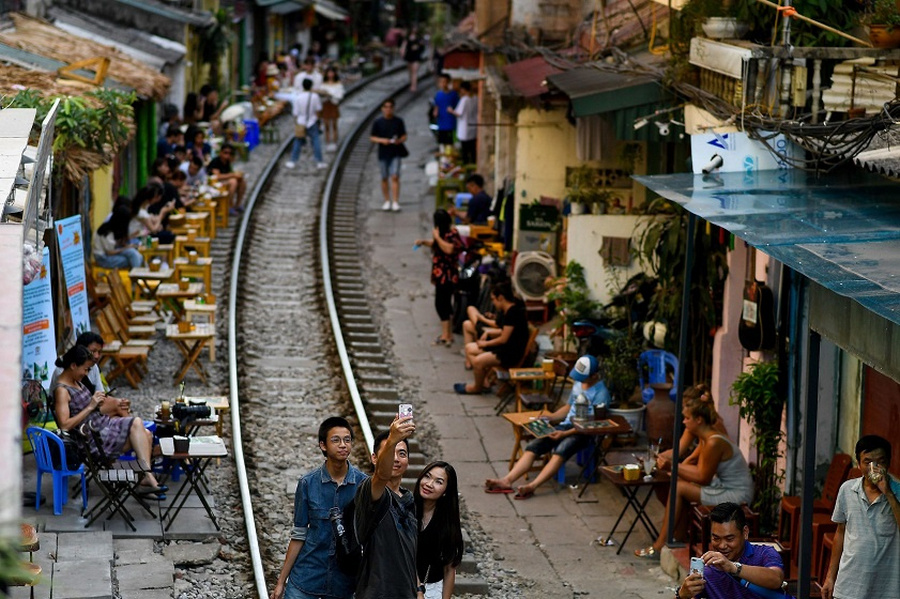
Capturando los mejores momentos en Hanoi Train Street
Uno de los aspectos más destacados de visitar la calle de trenes de Hanoi es la oportunidad de capturar impresionantes fotografías de los trenes que pasan con el telón de fondo de la vibrante calle. Para aprovechar al máximo su experiencia fotográfica, considere los siguientes consejos:
- Llegue temprano o tarde: para evitar multitudes y condiciones de iluminación adversas, intente visitar la calle de trenes de Hanoi temprano en la mañana o al final de la tarde, cuando la luz del sol es más suave y favorecedora para las fotografías.
- Experimente con ángulos: explore diferentes puntos de vista a lo largo de la calle para encontrar perspectivas únicas para sus fotografías, como tomar fotografías desde arriba en un balcón o agacharse para obtener una vista al nivel del suelo.
- Capture el movimiento: enfatice el movimiento de los trenes usando una velocidad de obturación más lenta para crear una sensación de energía dinámica en sus fotografías, o experimente con técnicas de panorámica para desenfocar el fondo mientras mantiene el tren enfocado.
- Incluya personas: la incorporación de residentes locales, turistas o vendedores ambulantes en sus fotografías puede agregar un elemento humano y un aspecto narrativo a sus imágenes, capturando la atmósfera animada de Hanoi Train Street.
Si sigue estos consejos y técnicas fotográficas, podrá crear imágenes memorables y visualmente impactantes que encapsule la esencia de Hanoi Train Street y su encanto único.
Iluminación y ángulos para fotografías fantásticas.
La iluminación juega un papel crucial en la fotografía, ya que influye en el estado de ánimo, la composición y la calidad general de las imágenes. Al fotografiar la calle del tren de Hanoi, tenga en cuenta las siguientes consideraciones de iluminación y ángulos:
- Luz suave: La luz suave y difusa suele ser más favorecedora para la fotografía al aire libre, ya que reduce las sombras intensas y crea una atmósfera cálida y acogedora. Temprano en la mañana y al final de la tarde son momentos ideales para capturar la luz suave en Hanoi Train Street.
- Retroiluminación: experimente con efectos de retroiluminación colocándose de modo que la fuente de luz (por ejemplo, el sol) esté detrás del sujeto, creando un efecto de halo brillante alrededor de los trenes y edificios.
- Hora dorada: La hora dorada, que ocurre poco después del amanecer y antes del atardecer, baña la escena con una luz suave y dorada que realza los colores y texturas de Hanoi Train Street, convirtiéndola en un momento óptimo para la fotografía.
- Vista de pájaro: para obtener una perspectiva única, considere capturar tomas aéreas de la calle del tren de Hanoi desde una azotea o balcón cercano, mostrando la bulliciosa actividad y el intrincado diseño del área desde arriba.
Al prestar atención a las condiciones de iluminación y experimentar con diferentes ángulos, puede mejorar sus habilidades fotográficas y crear imágenes visualmente cautivadoras que transmitan la belleza y el carácter de Hanoi Train Street.
Consideraciones climáticas
Condiciones climáticas ideales para visitar
Cuando planeando una visita a la calle de trenes de Hanoi, es fundamental tener en cuenta las condiciones climáticas para garantizar una experiencia cómoda y agradable. El clima ideal para explorar la calle y ver pasar los trenes suele caracterizarse por:
- Temperaturas suaves: Evitar el calor o el frío extremos hará que tu visita sea más placentera y te permitirá pasar más tiempo al aire libre sin molestias.
- Baja humedad: Los niveles altos de humedad pueden hacer que el aire se sienta pesado y opresivo, afectando su comodidad general y el disfrute del entorno.
- Cielos despejados: el clima soleado con cielos despejados proporciona condiciones de iluminación óptimas para la fotografía y le permite apreciar plenamente los colores vibrantes y las vistas de la calle de trenes de Hanoi.
Para aprovechar al máximo su visita, consulte el pronóstico del tiempo de antemano y planifique su viaje en días en que las condiciones sean propicias para realizar actividades al aire libre y hacer turismo.
Preparándose para la lluvia o el calor extremo
En Vietnam, el clima puede ser impredecible, con lluvias repentinas u olas de calor intensas durante todo el año. Para prepararse para las inclemencias del tiempo o temperaturas extremas durante su visita a Hanoi Train Street, considere los siguientes consejos:
- Lleve un paraguas o un impermeable: prepárese para lluvias repentinas llevando consigo un paraguas compacto o un impermeable liviano para mantenerse seco mientras observa pasar los trenes.
- Use protector solar y sombrero: Protéjase de los rayos UV y del calor del sol usando protector solar con un SPF alto y un sombrero de ala ancha para proteger su cara y cuello.
- Manténgase hidratado: lleve una botella de agua reutilizable y manténgase hidratado durante su visita, especialmente durante el clima cálido y húmedo para evitar la deshidratación.
- Vístase apropiadamente: use ropa ligera y transpirable y zapatos cómodos para mantenerse fresco y cómodo mientras explora la calle de trenes de Hanoi, teniendo en cuenta las condiciones climáticas y la posibilidad de caminar largas distancias.
Al hacer las maletas adecuadamente y tener en cuenta el pronóstico del tiempo, podrá garantizar una experiencia segura y agradable en Hanoi Train Street, independientemente de las condiciones climáticas predominantes.
Leyes y regulaciones locales
Reglas a seguir por los visitantes
Al visitar Hanoi Train Street, es importante cumplir con las leyes y regulaciones locales para garantizar su seguridad y la de los demás, así como mostrar respeto por la comunidad y el medio ambiente. Algunas reglas y pautas clave a tener en cuenta incluyen:
- No tirar basura: Deseche la basura de manera responsable y utilice los contenedores designados para mantener la limpieza de las calles y vías del tren.
- Respete la propiedad privada: evite invadir áreas residenciales o restringidas a lo largo de Hanoi Train Street, ya que esto puede invadir la privacidad de los residentes locales.
- Obedezca las señales de tráfico: tenga precaución al cruzar las vías del tren y siga las señales de tráfico para evitar accidentes o interrupciones en los horarios de los trenes.
- Mantenga bajos los niveles de ruido: tenga en cuenta la contaminación acústica y evite hablar en voz alta excesivamente o comportamientos perturbadores que puedan molestar a los residentes u otros visitantes.
Si sigue estas reglas y es considerado con su entorno, puede contribuir a crear una atmósfera armoniosa y respetuosa en Hanoi Train Street, fomentando una experiencia positiva para todos los involucrados.
Sanciones por violar las restricciones.
En Vietnam, existen sanciones y consecuencias para las personas que violan las leyes y regulaciones locales, incluidas aquellas relacionadas con la entrada ilegal, tirar basura y alterar el público. Los visitantes que realicen actividades prohibidas o ignoren las reglas establecidas en Hanoi Train Street pueden enfrentar las siguientes sanciones:
- Multas: Las autoridades locales pueden multar a los infractores por tirar basura, entrar ilegalmente o participar en comportamientos perturbadores que violen el orden o la seguridad públicos.
- Acciones legales: en casos graves de mala conducta o delitos repetidos, las personas pueden estar sujetas a acciones legales, incluido el procesamiento y posibles cargos penales.
- Expulsión: Los visitantes que repetidamente ignoren las advertencias o se nieguen a cumplir con las regulaciones pueden ser expulsados de Hanoi Train Street y se les prohibirá regresar al área.
Para evitar sanciones y garantizar una visita positiva y legal a Hanoi Train Street, es importante respetar las normas y reglamentos vigentes, demostrando un comportamiento responsable y consideración por la comunidad y el medio ambiente.
Errores a evitar
Invasión de zonas restringidas
Un error común que cometen los visitantes de Hanoi Train Street Lo que se debe evitar es entrar ilegalmente en zonas restringidas a lo largo de las vías del tren o en casas particulares. Es vital respetar los límites y la privacidad de los residentes locales, absteniéndose de ingresar a zonas prohibidas o participar en comportamientos intrusivos que perturben la vida cotidiana de la comunidad.
Para evitar accidentes, conflictos o consecuencias legales, permanezca siempre dentro de las áreas públicas designadas y tenga cuidado al explorar Hanoi Train Street, asegurándose de no invadir propiedad privada o espacios restringidos.
Interrumpir el horario de trenes con un comportamiento irresponsable
Otro error que se debe evitar al visitar la calle de trenes de Hanoi es tener un comportamiento irresponsable que pueda alterar el horario regular del tren o suponer un riesgo para la seguridad propia y de los demás. Acciones como pararse demasiado cerca de las vías, obstruir el paso de los trenes que se aproximan o crear obstrucciones en la vía férrea pueden tener consecuencias graves y deben evitarse a toda costa.
Para disfrutar de una experiencia segura y sin complicaciones en Hanoi Train Street, priorice su seguridad y la de los demás visitantes siguiendo las pautas establecidas, manteniendo una distancia segura de las vías y absteniéndose de realizar acciones que puedan comprometer el buen funcionamiento del ferrocarril.
Preguntas frecuentes
¿Es seguro visitar la calle del tren de Hanoi?
Sí, Hanoi Train Street es generalmente segura para los visitantes que tienen precaución, siguen las reglas y respetan el medio ambiente local. Sin embargo, es esencial ser consciente de su entorno, mantenerse alerta a los trenes que se aproximan y cumplir con las pautas de seguridad para minimizar cualquier riesgo o accidente potencial.
¿Cuál es la mejor hora del día para ver pasar el tren?
Los mejores momentos para presenciar el paso de los trenes por la calle de trenes de Hanoi suelen ser temprano en la mañana o al final de la tarde, cuando la iluminación es favorable para la fotografía y hay menos multitudes con las que lidiar. Al planificar su visita durante estos horarios, podrá disfrutar de una experiencia más tranquila e inmersiva al ver pasar los trenes.
Hanoi Train Street ofrece una combinación única y cautivadora de historia, cultura y vida cotidiana, lo que la convierte en un destino de visita obligada para los viajeros que buscan experiencias auténticas en Vietnam. Desde la emoción de ver pasar los trenes a pocos centímetros de distancia hasta saborear la deliciosa cocina local y explorar las atracciones cercanas, Hanoi Train Street tiene algo que ofrecer a cada visitante.
Al comprender la historia y el significado de este lugar icónico, respetar las costumbres y regulaciones locales y abrazar la energía vibrante de la comunidad, los viajeros pueden crear recuerdos duraderos y forjar conexiones significativas durante su estadía en Hanoi Train Street. Si eres un entusiasta de la fotografía, un amante de la comida o un explorador cultural, esta joya escondida en el corazón de Hanoi promete un viaje verdaderamente inolvidable.