
Bringing medication into Vietnam can be a complex process requiring careful planning and adherence to regulations. Whether a traveler or expat, understanding documentation, customs procedures, and legal considerations is essential for transporting medications across the Vietnamese border. This guide provides the necessary information for a smooth and compliant experience.
Documentation Required for Bringing Medications
Before traveling to Vietnam, gather the appropriate documentation for all medications, including prescription and over-the-counter (OTC) drugs, and any medical devices or supplies.
Prescription Medications: For prescription medications, obtain a doctor´s letter or prescription specifying your name, medication´s generic and brand names, dosage, and quantity. Keep medications in their original, labeled containers.
Over-the-Counter Medications: Ensure OTC medications are legal in Vietnam. Some common OTC drugs (e.g., decongestants, pain relievers) may be restricted or prohibited. Research specific regulations before packing.
Medical Devices and Supplies: If medical devices or supplies (e.g., syringes, needles, specialized equipment) are needed, obtain a doctor´s letter or prescription detailing their necessity. Ensure devices are properly labeled and accompanied by all necessary documentation.
Customs Procedures for Bringing Medications into Vietnam
Once documentation is in order, navigate customs procedures upon entering Vietnam. Understanding regulations is crucial for a smooth and compliant process.
Declaring Medications at the Border: Upon arrival, declare all medications, medical devices, and supplies. Use the customs declaration form, providing details of the items and their intended use.
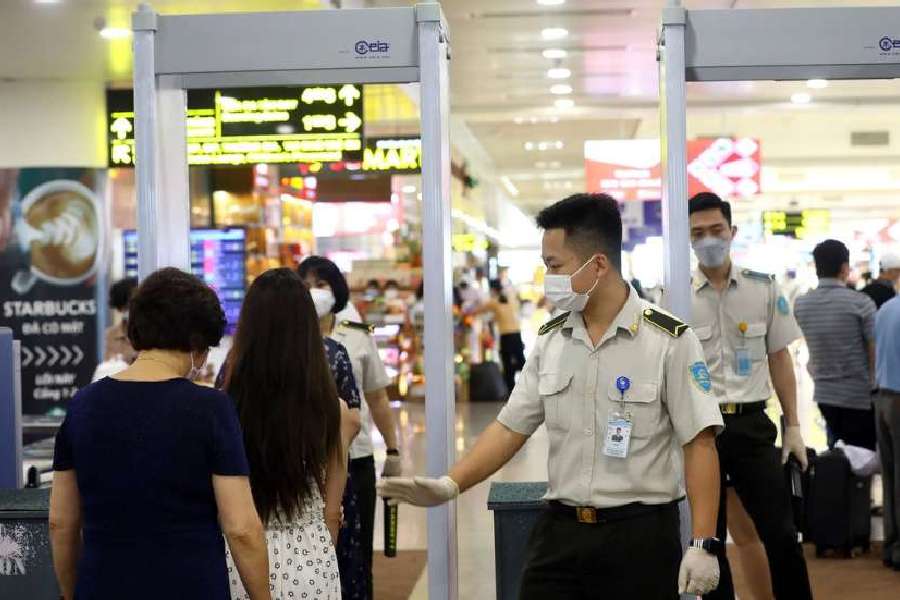
Customs Inspection and Screening: Medications and related items may be subject to customs inspection and screening. Officials may request doctor´s letters, prescriptions, and original, labeled containers. Full cooperation and provision of additional information are essential.
Restrictions and Limitations: Vietnam has specific restrictions on medication types and quantities. Limits may exist for controlled substances or prescription drugs. Familiarize yourself with these regulations.
Resources for Travelers and Expatriates
Several resources assist travelers and expats in navigating medication import procedures.
Government Websites and Regulations: Vietnamese government websites (e.g., Ministry of Health, General Department of Customs) provide detailed regulations. Review these resources before your trip for the latest guidelines.
Expat Forums and Support Groups: Online expat forums and support groups offer information and advice from those who have successfully imported medications.
Travel Agencies and Consultants: If specific requirements or further guidance are needed, consult travel agencies or consultants specializing in Vietnam for personalized assistance.
Common Challenges When Bringing Medications
Despite proper preparation, challenges may arise.
Language Barriers: Language barriers may exist when communicating with customs officials or healthcare providers. Have necessary documentation translated or acquire a local guide or interpreter.
Availability of Medications: Specific medications or medical devices may not be readily available in Vietnam, particularly for chronic conditions or specialized needs. Research availability and plan accordingly.
Differences in Regulations:
Vietnam´s medication regulations may differ from those in your home country. Thoroughly research and understand specific Vietnamese guidelines.
Storage and Transportation Challenges: Medications may require specific storage and transportation (temperature control, special handling, etc.), posing logistical challenges, especially on long journeys or in hot climates.
Legal Consequences of Non-Compliance
Understand the legal consequences of non-compliance.
Confiscation of Medications: Confiscation may result if medications violate Vietnamese laws. This is particularly problematic for individuals reliant on these medications.
Fines and Penalties: Non-compliance can lead to fines. These fines can be significant financially.
Potential Legal Prosecution: Illegal medication transport can be a criminal offense, leading to legal prosecution, including imprisonment or deportation. Understand and comply with all regulations.
Health Considerations When Traveling with Medications
Consider potential health implications.
Medication Interactions and Side Effects: Unexpected interactions or side effects may occur in a new environment. Consult your healthcare provider to ensure medications are safe for travel.
Proper Storage and Handling: Maintain proper medication storage and handling—temperature, humidity, light exposure—to ensure effectiveness and safety.
Accessing Healthcare in Vietnam: Understanding the Vietnamese healthcare system is essential for accessing necessary resources, including local healthcare providers and pharmacies.
Recommendations for a Smooth Experience
- Plan ahead by securing necessary documentation (doctor´s letters, prescriptions, medical records) well in advance of your trip.
- Research regulations and restrictions, including prohibited substances and quantity limits.
- Pack medications in original, labeled containers, preferably in carry-on luggage.
- Consult with healthcare providers in both your home country and Vietnam to ensure medications are appropriate and address refills/medical care plans.
- Carry extra medications to cover unexpected delays or extended stays.
Bringing medications into Vietnam can be managed successfully with proper preparation and understanding of regulations. Gathering essential documentation, researching customs procedures, and being aware of potential complications are critical. Plan ahead, research meticulously, and communicate with your healthcare providers for a stress-free, healthy trip to Vietnam.